Fire Pits With Kids and Pets
The dangerous moment is not the one everyone watches for. A pit that looks cold can still be hot enough to cause a serious burn hours after the flames are gone.
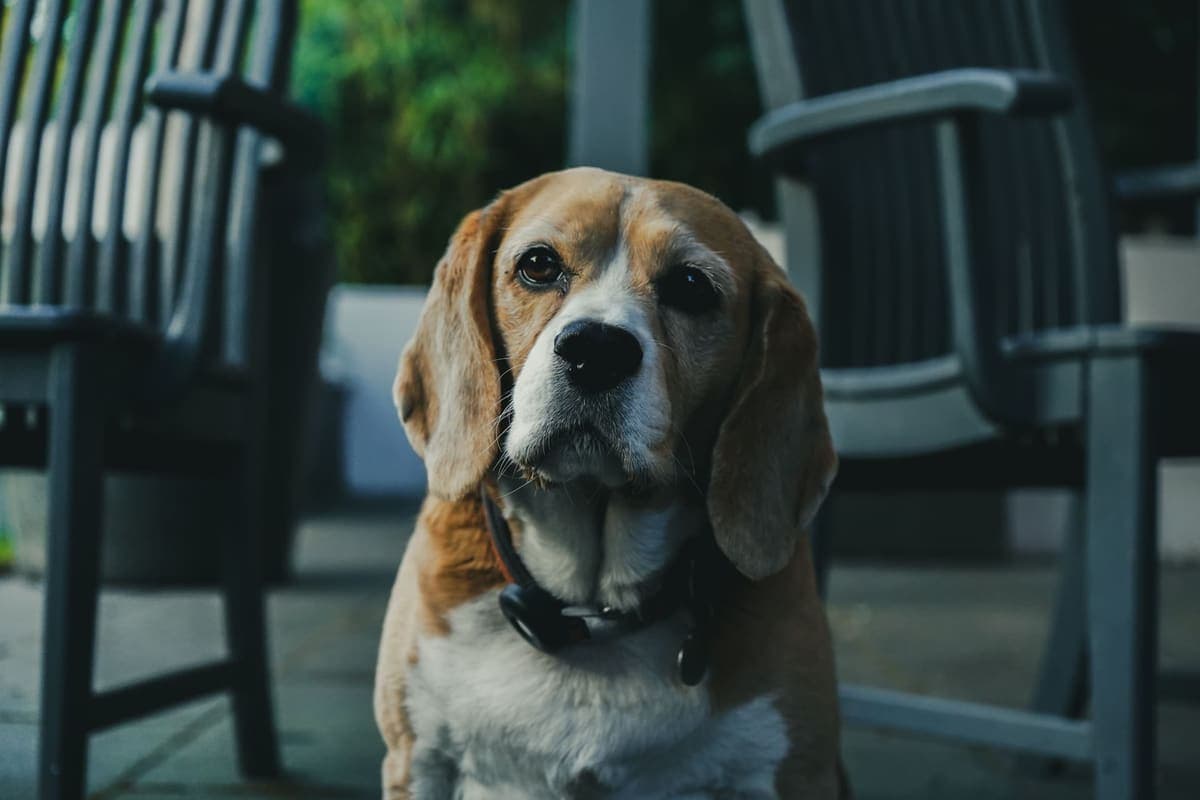
The highest-risk period is after the fire looks out. A fire pit and its surround stay hot enough to cause a serious burn for hours, and the visual cue that says 'dangerous' — flame — has gone. Supervise the cooling pit as carefully as the burning one.
Why afterwards is worse than during
A burning fire is an obvious hazard. Children can see it, they have been told about it, and adults are watching. Nobody has to be persuaded that a fire is hot.
A pit with no visible flame reads as finished. The steel is still well above the temperature at which skin is damaged instantly, the ash bed can still be glowing beneath a gray surface, and the adults have gone back to talking. That combination — no visual warning, reduced supervision, a child who now has no reason to stay back — is the one that produces contact burns, and it persists for hours.
Layout, which does more than rules do
- 1Leave a wide clear ring around the pit — wider than the seating. A child needs somewhere to trip that is not into the fire.
- 2Set the seating back further than feels necessary. A chair close enough to be warm is close enough to fall from into the pit.
- 3Keep the walkway on one side only, so nobody has a reason to circle the fire.
- 4Put the pit where you can see it from indoors, so the cooling period is still supervised.
- 5Choose a stable surface. Gravel and pavers are firm; a pit on a soft lawn can tip. Surfaces and pads.
- 6Keep the wood pile away from the seating, so nobody carries a log past a chair.
What actually helps
- A spark screen. It catches embers and adds a physical barrier over the opening. It also gets hot, so it is not a touch guard.
- A pit with a stand and a lid. A lid closes the pit at the end of the evening, which is the single most useful accessory for a household with small children.
- A gas pit. It stops instantly at the valve and produces no ash bed that can retain heat overnight. That is a genuine safety advantage. Propane fire pits.
- A physical barrier — a low fence or a defined ring of a different material — that gives a small child an edge to notice before they reach the heat.
- A designated adult, named out loud, whose job is the fire. Diffused responsibility is how supervision lapses.
Dogs behave differently, and worse
Children can be told. Dogs go where the interesting smell is, and a fire pit is full of interesting smells — particularly if anyone has cooked on it. Three specific behaviors cause almost all the incidents.
- Investigating a cooling pit. Paw pads are directly on the ground and a dog will step into warm ash without hesitating. This is the most common injury.
- Eating what is in it. Cooked bones, food debris and charcoal all attract dogs, and none of them is safe to eat.
- Tail height. A wagging tail passes straight through the space just above a low pit. Owners of large dogs notice this once.
The practical answer is the same as for the ash: put the fire out deliberately, and do not leave a cooling pit accessible. A lid closes the question. So does bringing the dog in.
Cooking surfaces deserve a separate mention
A pit with a searing rim or a grate has a hot horizontal steel surface at roughly waist height on an adult, which is head height on a small child, with no guard around it. It stays hot long after the fire is down and it does not look hot. If you cook on your pit and have small children, that surface is the thing to think about specifically. Cooking over a fire pit.
If someone is burned
- 1Cool the burn under cool running water for 20 minutes. Not ice, not butter, not anything else. Cool running water, and longer than feels necessary.
- 2Remove clothing and jewelry near the area unless it is stuck to the skin.
- 3Cover it loosely with cling film or a clean non-fluffy cloth.
- 4Get medical help for anything larger than a small area, anything on the face, hands, feet or joints, anything on a young child, and any burn that looks white or leathery rather than red.
- 5Do not pop blisters.
That is general first-aid guidance and it is not a substitute for medical advice. If you are unsure, get it looked at.
Why there are no product picks here
No fire pit in our registry is meaningfully safer around children than another, and attaching a recommendation to a page about burn risk would be selling on fear. The genuine product-shaped answers — a lid, a spark screen, or choosing gas over wood — are named in the text above and cost far less than a pit.