Fire Pit Rules & Burn Bans
Whether you can run a fire pit is decided by three layers: state and county burn rules, your city's adopted fire code, and any HOA covenant. Here is how each one works.
Start hereThe single most useful thing on this hub is the definition of a recreational fire. Almost every permit question hinges on it.
DisclosureWe earn a commission when you buy through the links on this page, at no extra cost to you. Prices come from Amazon and change without notice. How this site is funded.
Fire pits are legal in most US backyards, subject to three layers: whether your fire meets the code definition of a recreational fire, whether a burn ban is currently in effect, and whether an HOA covenant restricts it. The first is a size and fuel question, the second is seasonal, and the third is private contract law.
The three layers, in the order they bite
Layer one is the fire code. Your city or county adopts a version of the International Fire Code, usually with local amendments. Section 307 is the relevant part: it governs open burning, recreational fires and portable outdoor fireplaces, and it sets the clearance distances. What matters most is which category your fire falls into, because the categories carry different rules.
Layer two is the burn ban. This is a separate mechanism, usually issued by a state forestry agency, a county commission or an air-quality district, and it is temporary and conditions-based. A ban can prohibit things the fire code permits. It is also the layer most likely to change between the day you buy a pit and the day you use it.
Layer three is private. An HOA covenant is a contract, not a law, and it can be far stricter than either layer above. It is also the layer with the least consistency — HOA fire pit rules covers the patterns that show up repeatedly and how to read your own covenant.
The definition everything hinges on
Read that carefully, because two things in it decide most permit questions. First, the dimensional limit: 3 feet of fuel area across, 2 feet high. Cross either and your fire is not a recreational fire, it is open burning, and open burning almost always requires a permit. Second, the exclusion: a fire contained in a portable outdoor fireplace is explicitly *not* a recreational fire. That is a separate category with its own section and its own clearance figure. A manufactured pit with walls is usually a portable outdoor fireplace; a fire in a ring or on the ground is a recreational fire.
Getting the category right is the whole game, because it changes the clearance you owe, whether a permit is triggered, and often whether a burn ban applies. The full walkthrough, with both code sections quoted.
The pages under this hub
- Are fire pits legal in a backyard? — permits, city limits, and which office to call
- What counts as a recreational fire — the definition, quoted, and why it matters
- Burn bans, and what they exempt — and why a certified gas pit is usually the answer
- HOA fire pit rules — reading a covenant, and what boards typically permit
- Fire pit rules by state — how the layers stack up state by state, and what we can and cannot tell you
When the rules pick your product
There is a consistent pattern across all three layers: gas gets exempted, solid fuel does not. Burn bans generally target the ember and particulate risk that comes from burning wood, so a certified gas appliance often stays permitted when a wood fire does not. HOA covenants follow the same logic. If you live somewhere with a summer ban every year, or under a covenant, the decision is effectively made for you — and the pit below is the one that carries the certification mark the rules ask about.
| # | Product | Best for | Key spec | Price |
|---|---|---|---|---|
| 1 |  Outland Living Firebowl 893 Deluxe58,000 BTU, CSA-certified, and the pit most often accepted where wood fires are not. The cover and carry kit are in the box, which is why this is the one to buy over the bare 823. | Burn bans and travel | 58,000 BTU/hr | $159.99 · View on Amazon |
| 2 |  Endless Summer 30 in Gas Fire Pit TableA 30 in table whose base swallows the 20 lb cylinder. That is the entire point of a fire table, and it is the reason to pay the premium over a bowl. | Hiding the tank | 30,000 BTU/hr | $229.99 · View on Amazon |
Prices are pulled live from Amazon. Where no live price is showing, the button reads “check price” rather than a number we cannot stand behind.
Outland Living Firebowl 893 Deluxe
Outland Living58,000 BTU, CSA-certified, and the pit most often accepted where wood fires are not. The cover and carry kit are in the box, which is why this is the one to buy over the bare 823.
58,000 BTU, CSA-certified, and the pit most often accepted where wood fires are not. The cover and carry kit are in the box, which is why this is the one to buy over the bare 823.
- CSA certification is the thing an HOA or a campground manager actually asks to see
- No embers, so it is the defensible choice under a covered patio and during most burn bans
- Shuts off instantly, which removes the entire put-it-out problem
- A 1-year warranty is the shortest in this whole registry
- A 20 lb tank has to live somewhere, and the hose length dictates where the pit can sit
- 58,000 BTU is a burner rating, not a measure of how warm you will feel
Anyone in a burn-ban county, on a covered patio, in an HOA, or towing it to a campsite.
You want the smell and the sound of a wood fire. A gas flame is not a substitute, and pretending otherwise wastes your money.
We have not burned this unit. These are the things a specification sheet cannot answer, listed rather than glossed over.
- Real-world runtime, which depends on how low you run the burner. Our figure is arithmetic at full output
- Long-run corrosion on the powder-coated bowl in coastal air
#ad how we are funded · price as of October 18, 2026
Endless Summer 30 in Gas Fire Pit Table
Endless SummerA 30 in table whose base swallows the 20 lb cylinder. That is the entire point of a fire table, and it is the reason to pay the premium over a bowl.
A 30 in table whose base swallows the 20 lb cylinder. That is the entire point of a fire table, and it is the reason to pay the premium over a bowl.
- The cylinder and the control panel disappear, which is the whole design brief
- 30,000 BTU nearly doubles runtime per tank against a 58,000 BTU bowl
- The ledge around the burner is usable surface, unlike a bowl
- 30,000 BTU is genuinely less heat, not just a slower burn
- 24 in tall and heavy, so this does not travel
- Fire glass and lava rock are consumables that discolor
A patio where the pit doubles as the table and the propane tank must not be visible.
Heat is the priority. Buy BTU in a bowl instead.
We have not burned this unit. These are the things a specification sheet cannot answer, listed rather than glossed over.
- Resin mantel durability under direct sun over several seasons
- Whether the enclosed base affects tank temperature in hot weather. The listing does not say
#ad how we are funded · price as of October 18, 2026
- Any page that gives you a single national answer
There is no national fire pit law. There is a model code that thousands of jurisdictions adopt with amendments, a separate layer of air-quality and burn-ban rules, and private HOA covenants on top. Anyone giving you one answer is guessing.
- Assuming a smokeless pit is exempt from a burn ban
'Smokeless' is a marketing term, not a regulatory category. These pits burn wood. A ban on solid-fuel burning covers them.
- We quote the code text and link it. Where a figure comes from IFC 307.4, the section number is stated and the source is one click away.
- We do not summarize your local ordinance, because we cannot see it. We tell you which office to ask and what to ask them.
- Product picks appear here only where the rule genuinely resolves to a product — a burn ban or an HOA covenant usually resolves to certified gas.
- Nothing on this hub is legal advice. It is a map of how the layers fit together.
We have not burned any of these units, and we do not claim to have. The full method, including what it cannot tell you.
Common questions
Are fire pits allowed in backyards?
Does a burn ban include fire pits?
Do I need a permit for a fire pit?
Do HOAs allow fire pits?
What is the difference between a recreational fire and open burning?
Are smokeless fire pits exempt from burn bans?
Everything under this section
5 pages: the comparisons, the guides and the model write-ups that sit behind the picks above.
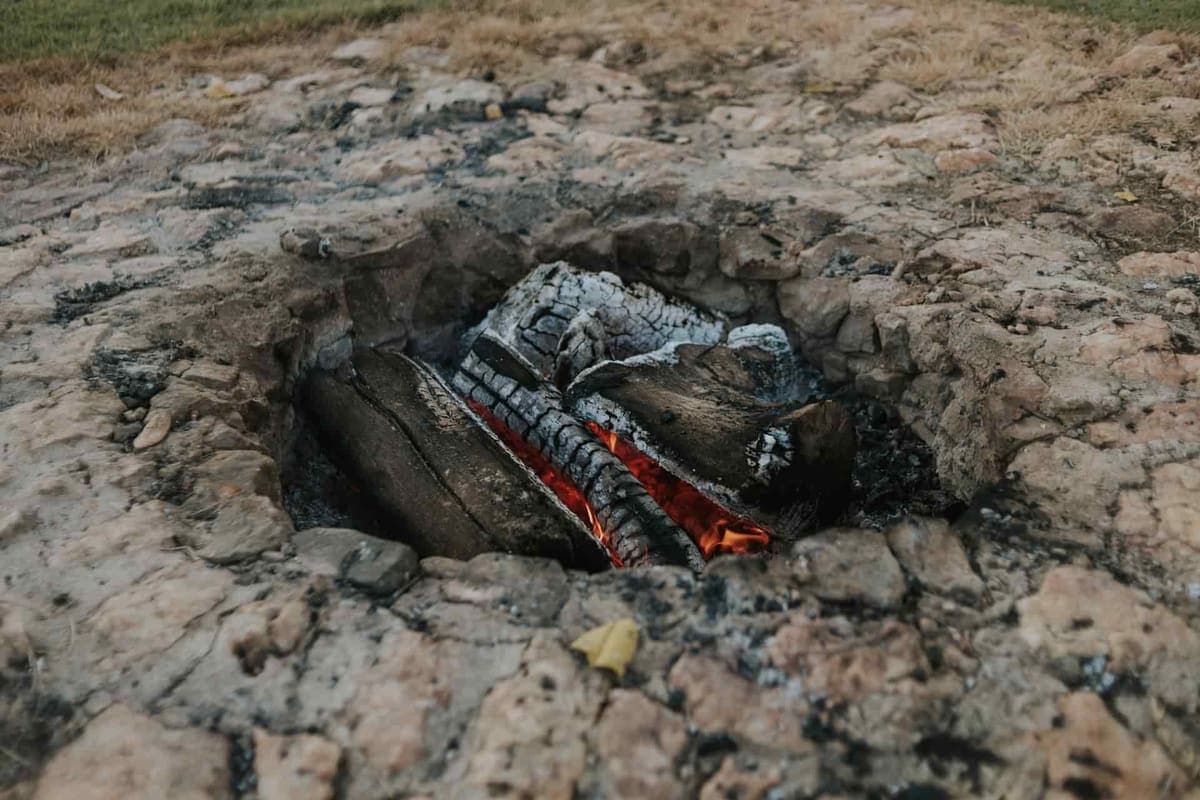
What Counts as a Recreational Fire?
The code definition quoted, the 3 ft threshold, and why a manufactured pit is a different category.
Are Fire Pits Legal in a Backyard?
The three layers that decide it, which office to call, and the exact questions to ask.
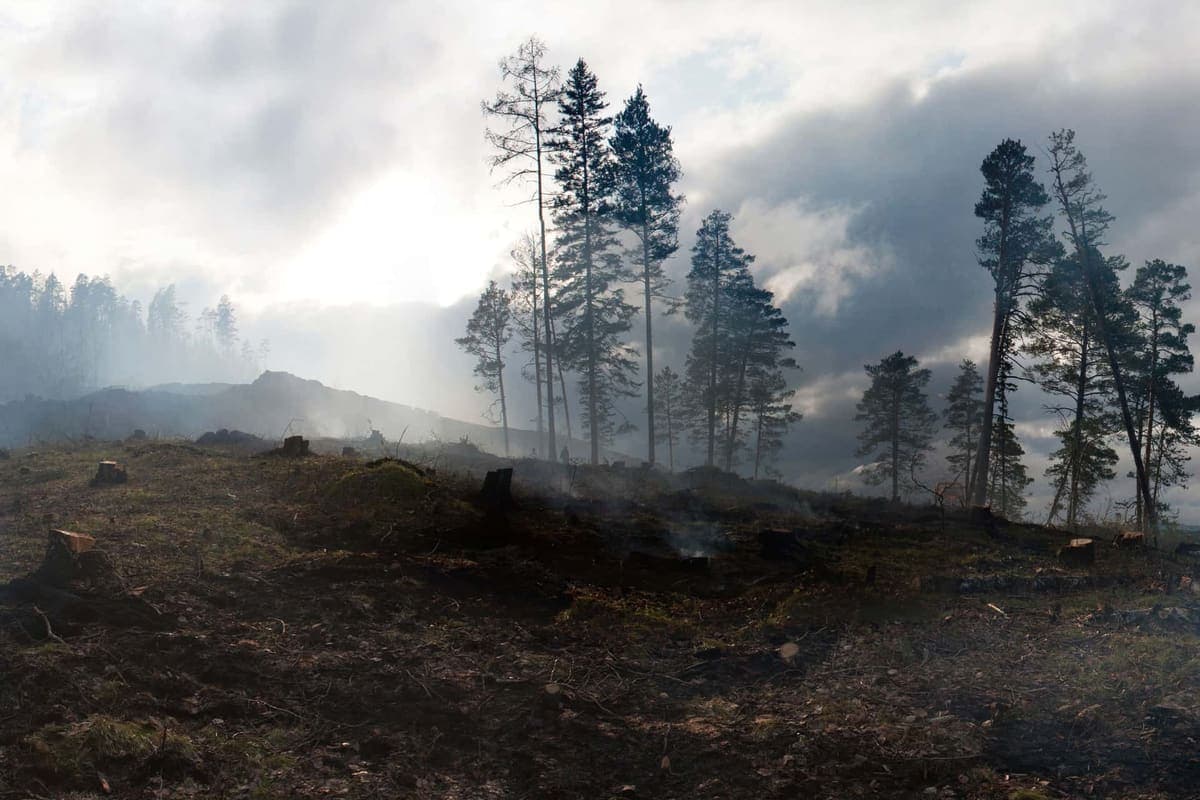
Burn Bans and Fire Pits
What a burn ban usually exempts, why smokeless pits are not exempt, and the pit that usually still works.
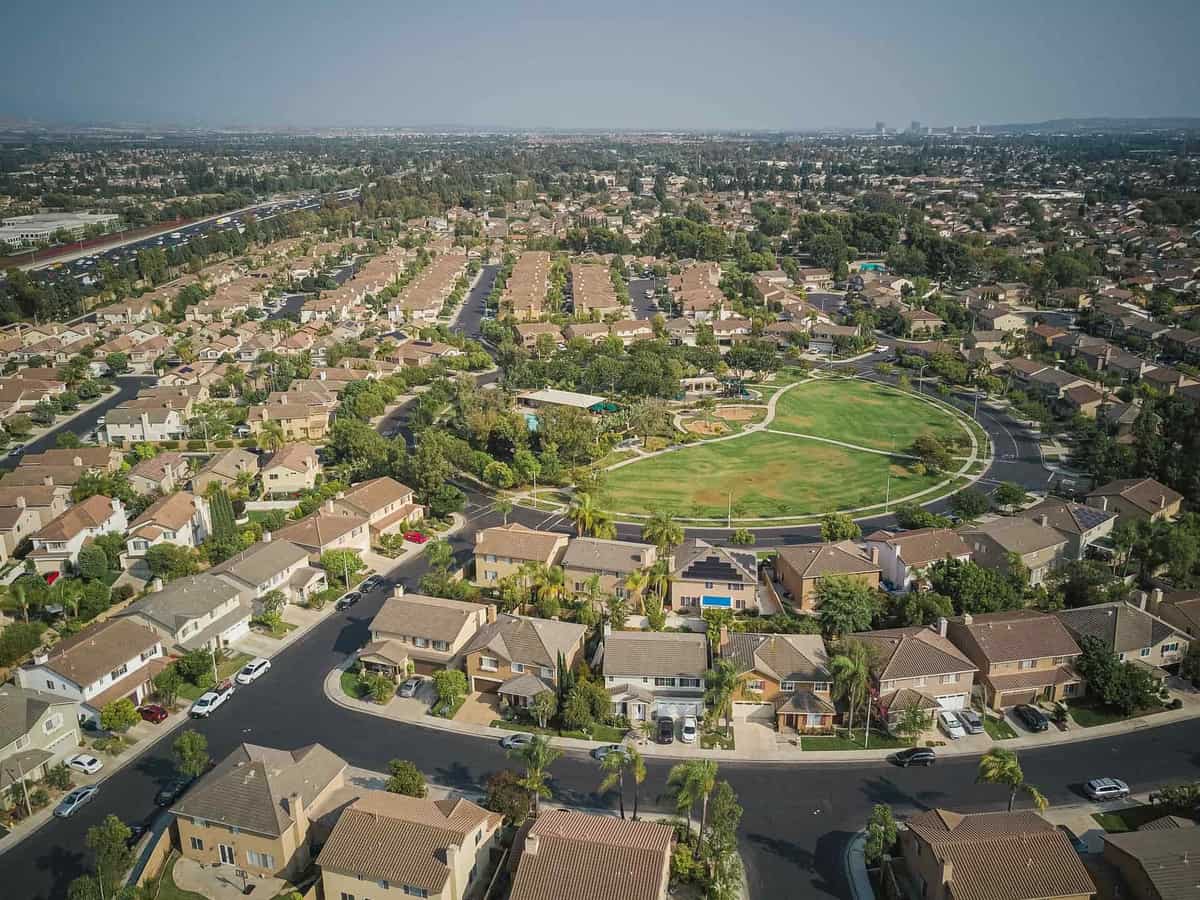
HOA Fire Pit Rules
What covenants typically permit, why gas is usually the answer, and how to get approval.
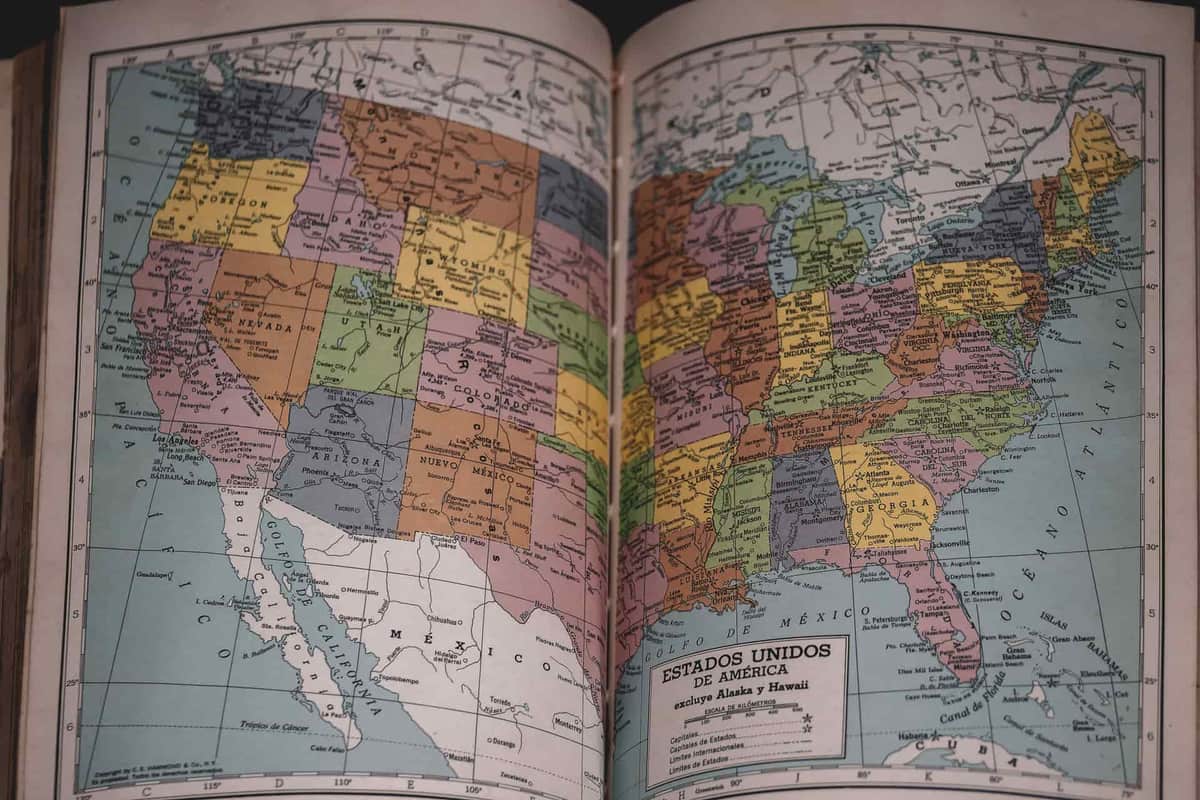
Fire Pit Rules by State
Why there is no single state answer, which agency issues what, and how to find yours.
Read itPrices come from Amazon and change without notice. Where no live price is showing, the buttons read “check price” rather than a number we cannot stand behind. How this site is funded.