Wood vs Propane vs Smokeless
Pick the fuel first. It decides your running cost, where the pit can sit, and whether you can use it during a burn ban — everything else is a detail.
Start hereMost people land on the right answer from the constraints, not the preferences. Start with where the pit has to sit.
DisclosureWe earn a commission when you buy through the links on this page, at no extra cost to you. Prices come from Amazon and change without notice. How this site is funded.
Buy propane if a burn ban, a covered patio or an HOA constrains you, or if you want a fire with no cleanup. Buy smokeless if you want a wood fire with much less smoke and you will keep dry wood. Buy an open wood pit if you have the space, the rules allow it, and you want the biggest fire for the least money.
The comparison, on the things that decide it
| Open wood | Smokeless wood | Propane | |
|---|---|---|---|
| Entry cost | Lowest | Highest | Middle |
| Cost per evening | Cost of the wood | Cost of the wood, burned faster | About 1/3 of a 20 lb tank |
| Smoke | Full | Substantially reduced, not zero | None |
| Embers | Yes | Yes | None |
| Legal under a typical burn ban | Usually not | Usually not | Often, if certified |
| Covered patio | No | No | Sometimes, check the manual |
| Cleanup | Ash every burn | Ash pan, quick | None |
| Time to extinguish | Long, and needs care | Long, and needs care | Instant |
| Clearance from a structure | 25 ft (IFC 307.4.2) | 15 ft as a portable fireplace | Per manufacturer |
Clearance figures are the code defaults. Your local fire authority can and does set stricter ones. How the clearance rules actually work.
Start with what you are not allowed to do
The fuel decision is usually made for you by a constraint, and people find that out after buying rather than before. Three constraints do nearly all the work. Is there a burn ban where you live, and how often? In much of the west and southwest, summer bans are routine and they generally prohibit solid-fuel fires while exempting certified gas appliances. Is the pit going under a roof? An ember-producing fire under a covered patio is not a judgment call, it is a no. Does an HOA govern the property? HOA rules in this category almost always permit gas and restrict wood.
If any of those is true, propane is not a compromise — it is the only fuel that works, and the propane hub is where to go next. If none of them is true, the decision opens up and comes down to smoke tolerance and budget.
Then work out what an evening costs
Propane is the only fuel here whose cost can be computed exactly, because the burner rating is published and the energy content of propane is a published constant. A 20 lb cylinder holds roughly 430,000 BTU. A 58,000 BTU/hr pit therefore runs about 7.4 hours at full output — call it three evenings per tank, more if you run it low. Whatever your local exchange price for a tank is, divide by three.
429,674 / 58,000 / 2.5
About 3 evenings per tank at full output
Wood is harder to pin down honestly, because firewood pricing varies enormously by region and by whether you buy by the rack, the cord or the bundle. What we can say from the physics: a smokeless pit burns a load faster than an open pit of the same size, because better airflow means more complete combustion. If you buy wood rather than cut it, budget for more of it with a smokeless pit, not less.
One pick per fuel
| # | Product | Best for | Key spec | Price |
|---|---|---|---|---|
| 1 |  Outland Living Firebowl 893 Deluxe58,000 BTU, CSA-certified, and the pit most often accepted where wood fires are not. The cover and carry kit are in the box, which is why this is the one to buy over the bare 823. | Burn bans and travel | 58,000 BTU/hr | $159.99 · View on Amazon |
| 2 |  Solo Stove Bonfire 2.0The default smokeless pit: 19.5 in of 304 stainless, light enough for one person to move, and the only unit in this set whose ash pan makes cleanup a 30-second job. | Most backyards | 304 stainless steel | $349.99 · View on Amazon |
| 3 |  Sunnydaze Fire Pit Ring Insert, 36 inA 2 mm steel liner for a hole in the ground. The cheapest real fire pit there is, and the shape the recreational-fire definition was written around. | An in-ground fire pit | 30 in | $179.00 · View on Amazon |
Prices are pulled live from Amazon. Where no live price is showing, the button reads “check price” rather than a number we cannot stand behind.
Outland Living Firebowl 893 Deluxe
Outland Living58,000 BTU, CSA-certified, and the pit most often accepted where wood fires are not. The cover and carry kit are in the box, which is why this is the one to buy over the bare 823.
58,000 BTU, CSA-certified, and the pit most often accepted where wood fires are not. The cover and carry kit are in the box, which is why this is the one to buy over the bare 823.
- CSA certification is the thing an HOA or a campground manager actually asks to see
- No embers, so it is the defensible choice under a covered patio and during most burn bans
- Shuts off instantly, which removes the entire put-it-out problem
- A 1-year warranty is the shortest in this whole registry
- A 20 lb tank has to live somewhere, and the hose length dictates where the pit can sit
- 58,000 BTU is a burner rating, not a measure of how warm you will feel
Anyone in a burn-ban county, on a covered patio, in an HOA, or towing it to a campsite.
You want the smell and the sound of a wood fire. A gas flame is not a substitute, and pretending otherwise wastes your money.
We have not burned this unit. These are the things a specification sheet cannot answer, listed rather than glossed over.
- Real-world runtime, which depends on how low you run the burner. Our figure is arithmetic at full output
- Long-run corrosion on the powder-coated bowl in coastal air
#ad how we are funded · price as of October 18, 2026
Solo Stove Bonfire 2.0
Solo StoveThe default smokeless pit: 19.5 in of 304 stainless, light enough for one person to move, and the only unit in this set whose ash pan makes cleanup a 30-second job.
The default smokeless pit: 19.5 in of 304 stainless, light enough for one person to move, and the only unit in this set whose ash pan makes cleanup a 30-second job.
- 304 stainless resists the pitting that kills painted carbon-steel pits in two seasons
- Removable ash pan and base plate, so the cleanup path is genuinely short
- Light enough that one person moves it off a deck before a storm
- The largest accessory range in the category, so a cooking or lid upgrade exists later
- 17.5 in of usable chamber means standard 16 in firewood often needs splitting down
- The warranty excludes rust, which is the failure mode most owners actually hit
- Published weight varies by 3 lb across retail listings for the same product
A patio or backyard where the pit gets moved a few times a season and cleanup speed matters more than raw fire volume.
You burn full 16 in splits without cutting them down, or you want a pit that doubles as a cooking surface. The Breeo does that better.
We have not burned this unit. These are the things a specification sheet cannot answer, listed rather than glossed over.
- How much smoke reduction you get in practice. It depends on wood moisture, wind and load, and no published figure covers your yard
- Long-run finish durability on the ceramic-coated colorways
- Real burn time on a full load. OutdoorGearLab's 60-minute figure is one test, not a specification
#ad how we are funded · price as of October 18, 2026
Sunnydaze Fire Pit Ring Insert, 36 in
SunnydazeA 2 mm steel liner for a hole in the ground. The cheapest real fire pit there is, and the shape the recreational-fire definition was written around.
A 2 mm steel liner for a hole in the ground. The cheapest real fire pit there is, and the shape the recreational-fire definition was written around.
- Nothing to break. It is a rolled steel band
- Contains the fire and stops the pit walls collapsing inward, which is the actual job
- Costs a fraction of any manufactured pit of the same diameter
- No smoke reduction of any kind. This is an open fire
- Painted carbon steel will rust, so plan on replacing it eventually
- At 30 in of interior you are within inches of the 3 ft recreational-fire threshold
A yard with room to dig, and someone who wants an open wood fire and nothing else.
You have neighbors close enough to care about smoke, or you live where open burning needs a permit.
We have not burned this unit. These are the things a specification sheet cannot answer, listed rather than glossed over.
- How many seasons the high-temperature paint survives. The listing does not say
#ad how we are funded · price as of October 18, 2026
The comparisons in detail
- Wood vs propane — the main event, on cost, cleanup and legality
- Smokeless vs propane — for the buyer who has already ruled out an open fire
- Fire pit vs patio heater — if the goal is genuinely to be warm, the answer may not be a fire pit
- Fire pit vs outdoor fireplace — seating geometry, wind and planning permission
- Fire pit vs chiminea — directional heat, and why the material matters more here than anywhere
- Buying on fuel cost alone
The gap between fuels is a few dollars an evening either way. Legality, cleanup and where the pit can physically sit will decide whether you use it at all, and those differences are much larger.
- Ethanol and gel-fuel pits, for heat
They are attractive tabletop objects and they produce very little usable warmth. Nothing wrong with them as decor; they are not in the same category as anything on this page.
- One representative pick per fuel, chosen as the most defensible entry point rather than the most expensive.
- Compared on constraints first — legality, placement, cleanup — because that is what actually decides the purchase.
- Running cost computed, not asserted, from the DOE propane energy figures and typical firewood pricing ranges we state as ranges.
- What we did not do: run any of these side by side, or measure comparative heat.
We have not burned any of these units, and we do not claim to have. The full method, including what it cannot tell you.
Common questions
Which is better, a wood or a propane fire pit?
What type of fire pit is best for a beginner?
Is a smokeless fire pit worth the extra money?
Do gas fire pits give off as much heat as wood?
Which fuel is cheapest to run?
Everything under this section
12 pages: the comparisons, the guides and the model write-ups that sit behind the picks above.
Fire Pit Brands, Compared
Seven brands ranked on what they publish — alloy, gauge, warranty — because disclosure is the only honest basis for comparing makers.
Gel Fuel vs Wood Pellets
Six verified fuels compared on published burn time and character — wood and pellets against gel, wick and ethanol.
The Best Tabletop Fire Pits
Five verified tabletop pits across pellet and propane — and why none of them belongs indoors or on a balcony.
The Best Fire Pit for Heat
Fire area warms you, not BTU ratings or smokeless claims — the four pits that actually deliver, and why.
Fire Pit vs Burn Barrel
A waste-disposal device against a recreational appliance — the codes treat them differently, and that decides it.
Fire Pit vs Campfire
Containment is the whole difference — and it changes the rules, the ember risk and the ground underneath.
Wood vs Propane Fire Pit
Cost per evening, cleanup, legality and heat — the fuel decision worked through with the arithmetic shown.
Smokeless vs Propane
Smoke reduction against no smoke at all, and the constraints that decide between them.
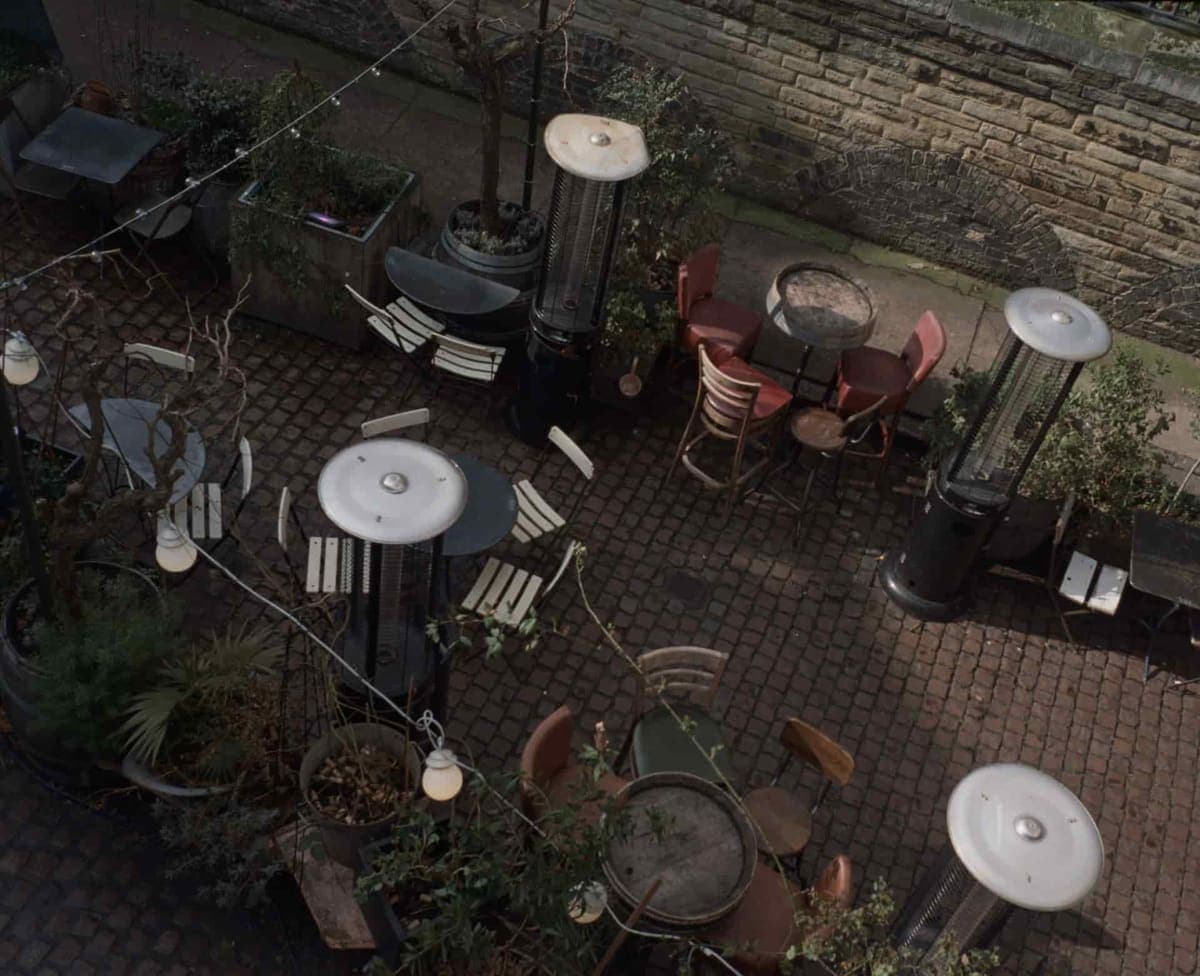
Fire Pit vs Patio Heater
Directed heat against radiant fire, and the honest case for buying the heater instead.
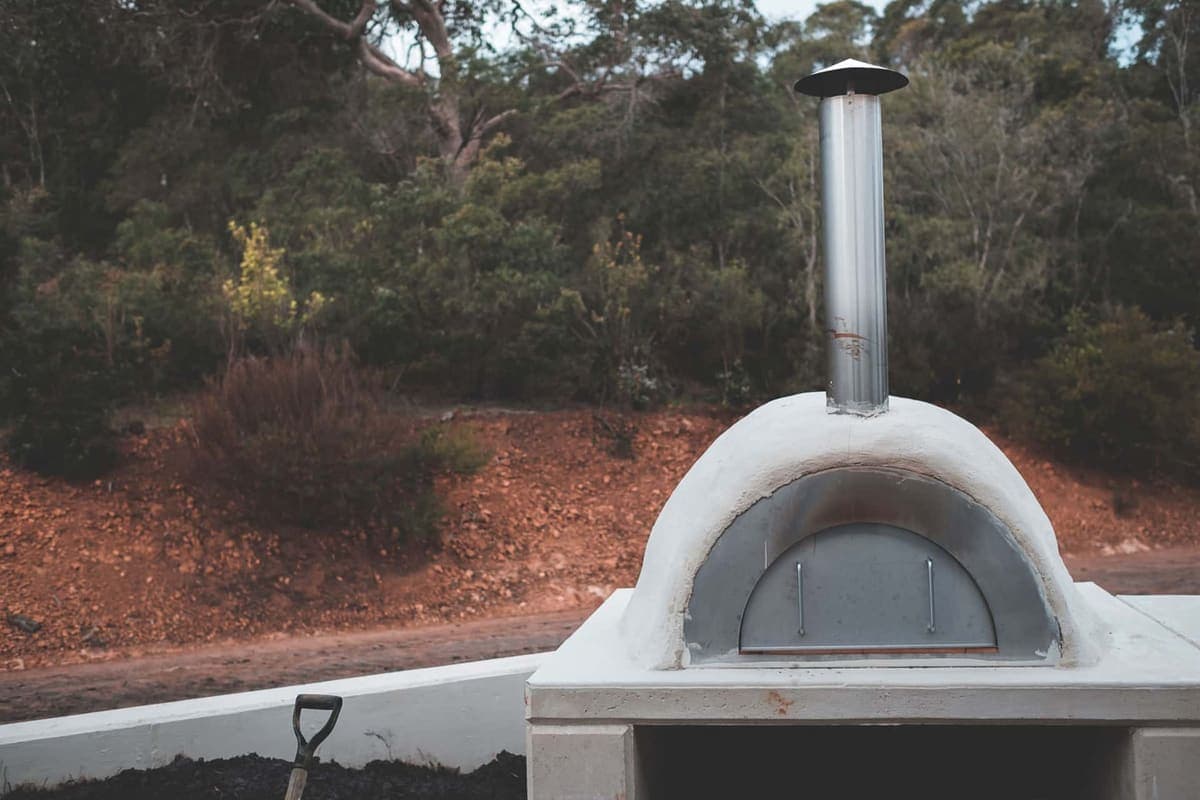
Fire Pit vs Outdoor Fireplace
One-directional heat and a chimney against 360-degree seating, on cost, wind and permits.

Fire Pit vs Chiminea
Directional heat and a flue in a movable object, and the thermal-shock problem clay brings with it.

Which Fire Pit Warranty Is Actually Worth Anything?
Breeo — the only maker here that puts a time on rust-through. Why a lifetime warranty that excludes rust covers the wrong thing.
Prices come from Amazon and change without notice. Where no live price is showing, the buttons read “check price” rather than a number we cannot stand behind. How this site is funded.