Smokeless Fire Pits
Double-wall pits reduce smoke. They do not eliminate it. Here is what each one is actually made of, what the maker publishes, and which claims nobody can substantiate.
Start hereNew to this? Start with what a smokeless pit actually does, then come back for the picks.
DisclosureWe earn a commission when you buy through the links on this page, at no extra cost to you. Prices come from Amazon and change without notice. How this site is funded.
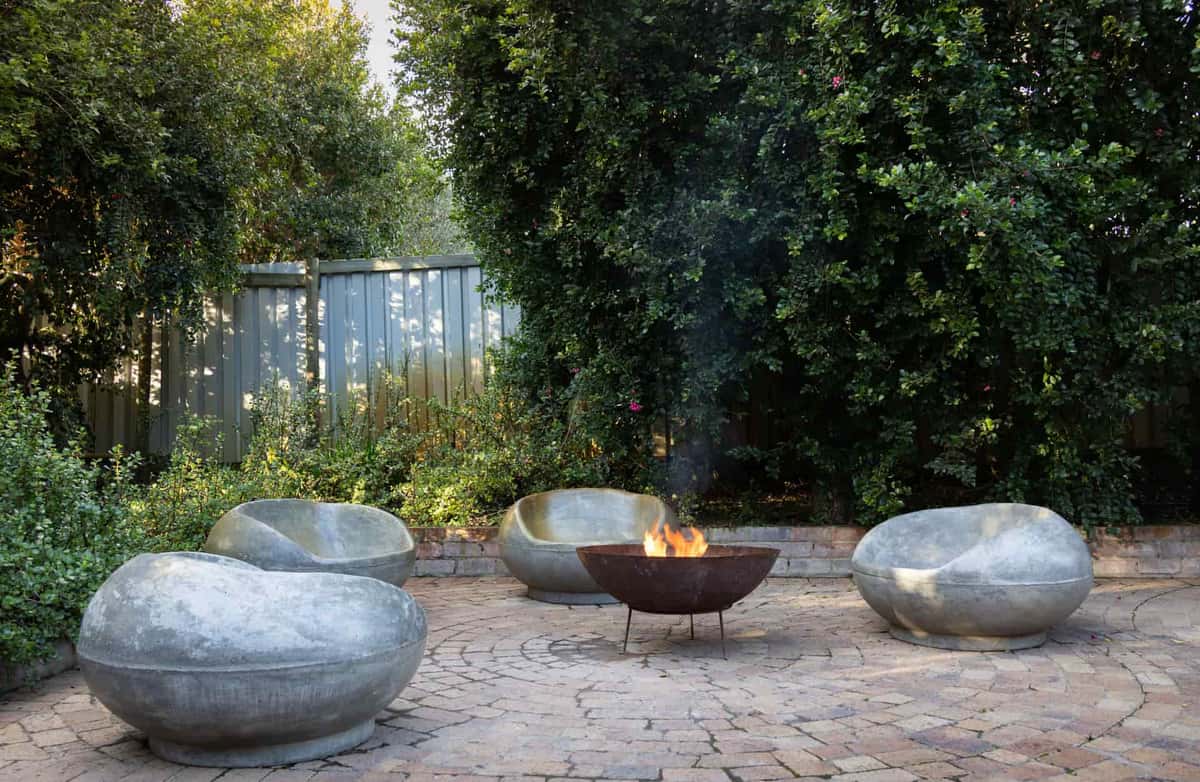
A smokeless fire pit is a double-walled steel bowl. Air drawn in at the base rises between the walls, gets hot, and vents through holes at the rim onto the flame — a second burn that consumes particles that would otherwise leave as smoke. It reduces smoke substantially. It does not eliminate it, and wet wood defeats it entirely.
| # | Product | Best for | Key spec | Price |
|---|---|---|---|---|
| 1 |  Solo Stove Bonfire 2.0The default smokeless pit: 19.5 in of 304 stainless, light enough for one person to move, and the only unit in this set whose ash pan makes cleanup a 30-second job. | Most backyards | 304 stainless steel | $349.99 · View on Amazon |
| 2 |  Breeo X Series 2462 lb of corten meant to stay where you put it, with a rim designed as a cooking surface. The heaviest pit here and the only one built around a searing ring. | Cooking and permanence | Corten weathering steel | $599.00 · View on Amazon |
| 3 |  TIKI Brand Patio Fire Pit, 25 in25 in of powder-coated stainless with a cover in the box. The cheapest way into a large smokeless pit, and the coating is the trade you are making. | Diameter per dollar | 16-gauge stainless steel | $395.00 · View on Amazon |
| 4 |  Solo Stove Yukon 2.0The same stainless construction as the Bonfire at 27 in, which is the size where you stop cutting firewood down and start putting full splits in whole. | Six or more people | 304 stainless steel | $499.99 · View on Amazon |
| 5 | BioLiteNo listing found BioLite FirePit+The only pit here that forces air with a fan instead of relying on convection, and the only one that is a competent charcoal grill in the same object. | Cooking and portability | — | Check price on Amazon |
| 6 | Solo StoveNo listing found Solo Stove Ranger 2.015 in and 15 lb. The smallest fire that still reads as a fire pit rather than a camp stove, and the one that fits a patio where the clearance math rules out everything larger. | Small patios and travel | 304 stainless steel | Check price on Amazon |
| 7 |  Breeo X Series 19The X24's construction at 22.1 in and 47 lb. Same corten, same made-in-USA, 15 lb less to move and a smaller clear radius to find. | Corten on a smaller footprint | Corten weathering steel | $399.00 · View on Amazon |
Prices are pulled live from Amazon. Where no live price is showing, the button reads “check price” rather than a number we cannot stand behind.
Solo Stove Bonfire 2.0
Solo StoveThe default smokeless pit: 19.5 in of 304 stainless, light enough for one person to move, and the only unit in this set whose ash pan makes cleanup a 30-second job.
The default smokeless pit: 19.5 in of 304 stainless, light enough for one person to move, and the only unit in this set whose ash pan makes cleanup a 30-second job.
- 304 stainless resists the pitting that kills painted carbon-steel pits in two seasons
- Removable ash pan and base plate, so the cleanup path is genuinely short
- Light enough that one person moves it off a deck before a storm
- The largest accessory range in the category, so a cooking or lid upgrade exists later
- 17.5 in of usable chamber means standard 16 in firewood often needs splitting down
- The warranty excludes rust, which is the failure mode most owners actually hit
- Published weight varies by 3 lb across retail listings for the same product
A patio or backyard where the pit gets moved a few times a season and cleanup speed matters more than raw fire volume.
You burn full 16 in splits without cutting them down, or you want a pit that doubles as a cooking surface. The Breeo does that better.
We have not burned this unit. These are the things a specification sheet cannot answer, listed rather than glossed over.
- How much smoke reduction you get in practice. It depends on wood moisture, wind and load, and no published figure covers your yard
- Long-run finish durability on the ceramic-coated colorways
- Real burn time on a full load. OutdoorGearLab's 60-minute figure is one test, not a specification
#ad how we are funded · price as of October 18, 2026
Breeo X Series 24
Breeo62 lb of corten meant to stay where you put it, with a rim designed as a cooking surface. The heaviest pit here and the only one built around a searing ring.
62 lb of corten meant to stay where you put it, with a rim designed as a cooking surface. The heaviest pit here and the only one built around a searing ring.
- Corten forms a stable oxide layer instead of pitting through, which is why it is sold uncoated
- The rim is a genuine cooking surface with a searing-ring accessory, not a marketing line
- Made in Pennsylvania, which is verifiable and unusual in this category
- 62 lb means it is placed once. Check clearance before, not after
- Corten stains whatever it sits on. Concrete and pavers underneath will discolor
- Nothing about the finish is warranted, because the finish is rust
A permanent spot on gravel or grass where the pit is part of the yard, and someone who will actually cook on it.
The pit has to live on a finished patio, a deck, or anywhere a runoff stain matters. Stainless is the answer there.
We have not burned this unit. These are the things a specification sheet cannot answer, listed rather than glossed over.
- How fast the patina stabilizes in your climate. Humid and coastal air behave differently and Breeo does not publish a timeline
- Whether the heat-output figures circulating for this pit come from a standard test. We found no published method behind them
#ad how we are funded · price as of October 18, 2026
- 1.Amazon listing — Breeo X Series 24 Corten
- 2.Ace Hardware listing — Breeo X Series 24 dimensions, origin and warranty
- 3.Breeo — Limited Lifetime Warranty: free from workmanship and material defects for the lifetime of the original purchaser, and warrants no rust through or burn through for a period of three (3) years from purchase; rust, paint and finish otherwise excluded
TIKI Brand Patio Fire Pit, 25 in
TIKI Brand25 in of powder-coated stainless with a cover in the box. The cheapest way into a large smokeless pit, and the coating is the trade you are making.
25 in of powder-coated stainless with a cover in the box. The cheapest way into a large smokeless pit, and the coating is the trade you are making.
- 25 in for well under what a comparable stainless pit costs
- 16-gauge is a published number, which more than half this category refuses to give
- Cover included, which is a real cost avoided
- A powder coat over the burn zone is a finish that eventually fails. Bare stainless has nothing to fail
- No warranty term on the listing, so there is nothing to hold anyone to
- Smaller accessory range than Solo Stove or Breeo
A first smokeless pit where diameter matters more than the last season of finish.
You want a documented warranty. Two other brands here publish one.
We have not burned this unit. These are the things a specification sheet cannot answer, listed rather than glossed over.
- The warranty term. We could not find one stated
- How the powder coat behaves after several full seasons of use
#ad how we are funded · price as of October 18, 2026
Solo Stove Yukon 2.0
Solo StoveThe same stainless construction as the Bonfire at 27 in, which is the size where you stop cutting firewood down and start putting full splits in whole.
The same stainless construction as the Bonfire at 27 in, which is the size where you stop cutting firewood down and start putting full splits in whole.
- 27 in takes a full 16 in split without cutting, which changes how much work an evening is
- Radiant output scales with fire area, and this is roughly twice the Bonfire's
- Same warranty and same stainless as the smaller units
- 38 lb is a two-person lift once it has ash in it
- It burns wood proportionally faster: bigger fire, bigger woodpile
- Too much pit for a small patio, where the clearance math gets tight fast
A yard with room for a 7 ft circle of clear ground and a group that actually fills the seats.
Your usable space is a patio under 12 ft across. Read the clearance table before you buy the big one.
We have not burned this unit. These are the things a specification sheet cannot answer, listed rather than glossed over.
- Whether the extra diameter meaningfully improves smoke reduction, or just makes a bigger fire
- How the ceramic-coated colorways hold up next to bare stainless over several seasons
#ad how we are funded · price as of October 18, 2026
BioLite FirePit+
BioLiteThe only pit here that forces air with a fan instead of relying on convection, and the only one that is a competent charcoal grill in the same object.
The only pit here that forces air with a fan instead of relying on convection, and the only one that is a competent charcoal grill in the same object.
- Forced air lets you dial the burn up or down, which no convection pit can do
- Genuinely packs flat, so it travels in a way a 20 in bowl does not
- The grill grate is part of the design rather than an accessory
- A battery and a fan are two failure points a steel bowl does not have
- Rectangular mesh sides throw heat forward and back, not evenly in a circle
- Bluetooth control is iOS-only per the listing
Campers, tailgaters and anyone who wants one object to be both the fire and the grill.
You want a backyard centerpiece. This is a tool, and it looks and behaves like one.
We have not burned this unit. These are the things a specification sheet cannot answer, listed rather than glossed over.
- Battery longevity over several seasons
- How much of the smoke reduction depends on the fan being charged
#ad how we are funded · price as of October 18, 2026
Solo Stove Ranger 2.0
Solo Stove15 in and 15 lb. The smallest fire that still reads as a fire pit rather than a camp stove, and the one that fits a patio where the clearance math rules out everything larger.
15 in and 15 lb. The smallest fire that still reads as a fire pit rather than a camp stove, and the one that fits a patio where the clearance math rules out everything larger.
- One-hand carry, which is the whole argument for it
- Small enough that a workable clear radius is achievable on a real patio
- Same stainless and same warranty as the big units
- You will be feeding it constantly, because the chamber holds very little wood
- Radiant heat at this diameter warms two people, not six
- Requires cutting nearly all firewood down to size
A townhouse patio, a campsite where fires are allowed, or anyone who wants the smokeless burn without a 40 lb object to store.
You want the pit to be the heat source for a group. Buy diameter instead.
We have not burned this unit. These are the things a specification sheet cannot answer, listed rather than glossed over.
- How well secondary combustion holds at this small a chamber volume in wind
- Practical refuel interval, which no maker publishes for any pit in this category
#ad how we are funded · price as of October 18, 2026
Breeo X Series 19
BreeoThe X24's construction at 22.1 in and 47 lb. Same corten, same made-in-USA, 15 lb less to move and a smaller clear radius to find.
The X24's construction at 22.1 in and 47 lb. Same corten, same made-in-USA, 15 lb less to move and a smaller clear radius to find.
- Corten longevity without the X24's 62 lb
- Accessory-compatible with the rest of the Breeo range
- Smaller diameter is easier to clear to code on a real patio
- Still stains the surface underneath
- Heavier than every stainless pit of comparable diameter
- The cooking rim is narrower than the X24's
Someone who wants the corten build but has a mid-size yard rather than an acre.
You need to move the pit regularly, or it lives on a surface that cannot take rust runoff.
We have not burned this unit. These are the things a specification sheet cannot answer, listed rather than glossed over.
- Patina timeline in your climate
- Whether the smaller chamber changes secondary-combustion behavior versus the X24
#ad how we are funded · price as of October 18, 2026
- 1.Amazon listing — Breeo X Series 19 Corten
- 2.Ace Hardware listing — Breeo X Series warranty and origin
- 3.Breeo — Limited Lifetime Warranty: free from workmanship and material defects for the lifetime of the original purchaser, and warrants no rust through or burn through for a period of three (3) years from purchase; rust, paint and finish otherwise excluded
What you are actually buying
Every pit on this page works the same way, and the mechanism is old: it is the same secondary combustion that a wood stove uses, folded into a bowl. Cool air enters vents at the base and feeds the fire from underneath, which is why these pits light so readily. A second stream of air travels up the cavity between the inner and outer walls, and by the time it reaches the ring of holes at the top it is hot enough to ignite the unburned gases coming off the fire. That second burn is the whole product.
Because the mechanism is common, the differences between these pits are not really about smoke. They are about metal, geometry and what the maker is willing to put in writing. That is why this page ranks on alloy, gauge, chamber size and warranty rather than on a smoke claim, and why the comparison table's key column is the material rather than a score. We have not burned any of these units and we are not going to tell you which one smokes least.
Alloy is the decision, not the brand
There are three materials in this category and they age in three different ways. 304 stainless (Solo Stove, TIKI) resists corrosion by composition rather than coating — there is no finish to fail, and a scratched pit is still a stainless pit. Corten weathering steel (Breeo) is designed to rust: the oxide layer it forms is stable and self-limiting, which is why it is sold uncoated and why the warranty explicitly does not cover the finish. Coated carbon steel is the cheap option, and the coating is a consumable — once it fails over the burn zone, the metal underneath corrodes normally.
None of these is wrong. Corten on gravel in a permanent spot will outlast stainless on a coastal patio. Stainless on a deck is the only sane choice, because corten stains whatever it sits on and that stain is permanent. The steel gauge and alloy explainer works through the metallurgy properly, and it is the page every product write-up here links back to.
| Material | How it survives | Failure mode | Surface it suits |
|---|---|---|---|
| 304 stainless | Chromium oxide layer, self-repairing | Pitting in chloride-heavy (coastal) air | Decks, patios, anywhere the stain matters |
| Corten | Stable rust layer that limits itself | Runoff staining, and eventual perforation on thin sections | Gravel, grass, permanent placements |
| Coated carbon steel | Paint or powder coat only | Coating burns off, then normal rust | Budget builds, sheltered storage |
Every maker on this page publishes its alloy. That is the minimum bar, and a surprising number of listings in this category do not clear it.
Size decides how much work an evening is
Standard split firewood is sold at 16 inches. The Bonfire's inner chamber is 17.5 inches, which sounds like enough until you try to lay two splits across it. In practice, a pit under roughly 20 inches of usable interior means you will be cutting wood down, every time. A 27 inch pit takes full splits and stacks them, which is a genuinely different experience — and it burns proportionally more wood to do it.
The other thing diameter changes is clearance. A larger fire needs a larger clear radius, and the numbers are not negotiable in most jurisdictions: read how far a fire pit must be from a house before you buy the big one, because the answer sometimes rules it out.
The claims we will not repeat
Smoke-reduction percentages circulate constantly in this category. We could not find a published, reproducible test method behind any of them, so none appears on this site. The same goes for BTU figures attached to wood-burning pits: a wood fire's output depends on the wood, its moisture content and how much of it is burning, so a single number on a listing describes a condition nobody specifies. When you see one here it is a gas burner rating, which is a real published figure, and it is labeled as such.
- Any pit that will not tell you its alloy
'Heavy-duty steel' is not a specification. 304 stainless, corten and coated carbon steel behave completely differently over five seasons, and a maker that will not name which one it used is telling you something.
- Painted carbon-steel pits sold as smokeless
The double-wall geometry works regardless of material, but a painted burn chamber is a finish waiting to fail. You will get the smoke reduction and a rust problem.
- Any listing quoting a smoke-reduction percentage with no method
Figures like '80% less smoke' circulate widely with no published test behind them. We have not been able to source a standard method for any of them, so we do not repeat the numbers.
- Alloy and construction first. 304 stainless, corten and coated carbon steel are three different products at three different lifespans, and the difference outlasts every other consideration.
- Published chamber dimensions second. Inner diameter decides whether you split firewood before every burn. It is the spec that changes what using the pit is like.
- Warranty term and what it excludes. Nearly every 'lifetime' warranty in this category excludes rust. That exclusion is more informative than the word 'lifetime'.
- Weight, because it decides where the pit can go. A 62 lb pit is placed once; a 15 lb pit moves off the deck before a storm.
- What we did not do: burn any of them, measure heat, or time a burn. Nothing here is a test result.
We have not burned any of these units, and we do not claim to have. The full method, including what it cannot tell you.
Before you buy, check two things
First, the surface. A smokeless pit still radiates hard downward and the base of most of them gets hot enough to scorch decking — fire pits on a wood or composite deck covers what a barrier actually has to do. Second, the rules. Smokeless is not a legal category: a burn ban that prohibits open burning generally prohibits these too, because they burn wood. Burn bans and what they cover explains where the line usually falls and why a propane pit is often the only thing still legal.
Common questions
Do smokeless fire pits really work?
Do smokeless fire pits give off heat?
Do smokeless fire pits burn wood faster?
Can you put a smokeless fire pit on a deck?
Stainless or corten — which lasts longer?
Do smokeless fire pits smell?
Everything under this section
23 pages: the comparisons, the guides and the model write-ups that sit behind the picks above.
OutVue 19.5 Review
Benchmark diameter at a budget price — and four near-identical OutVue listings you have to tell apart first.
Breeo vs TIKI
Corten and a lifetime warranty against published 16-gauge stainless and no warranty term — on verified specs.
East Oak Fuoco 21 Review
Stand, ash pan and carry bag included at a fraction of the premium price — and a 21 in name the maker's own spec sheet does not support.
Fire Pit Heat Deflectors
Five verified deflectors compared on published alloy and fit — and the trade-off that comes with restricting the top of a smokeless fire.
Solo Stove Mesa vs Mesa XL
5.1 in against 7 in, on verified published specs — and why the smaller one is the better buy more often than you would think.
Breeo X19 vs X24
22.1 in against 27.5 in in the same corten steel — which size suits which yard, on verified published specs.
Solo Stove Alternatives
Five verified smokeless pits under the Solo Stove price, ranked on exactly what you give up to save the money.
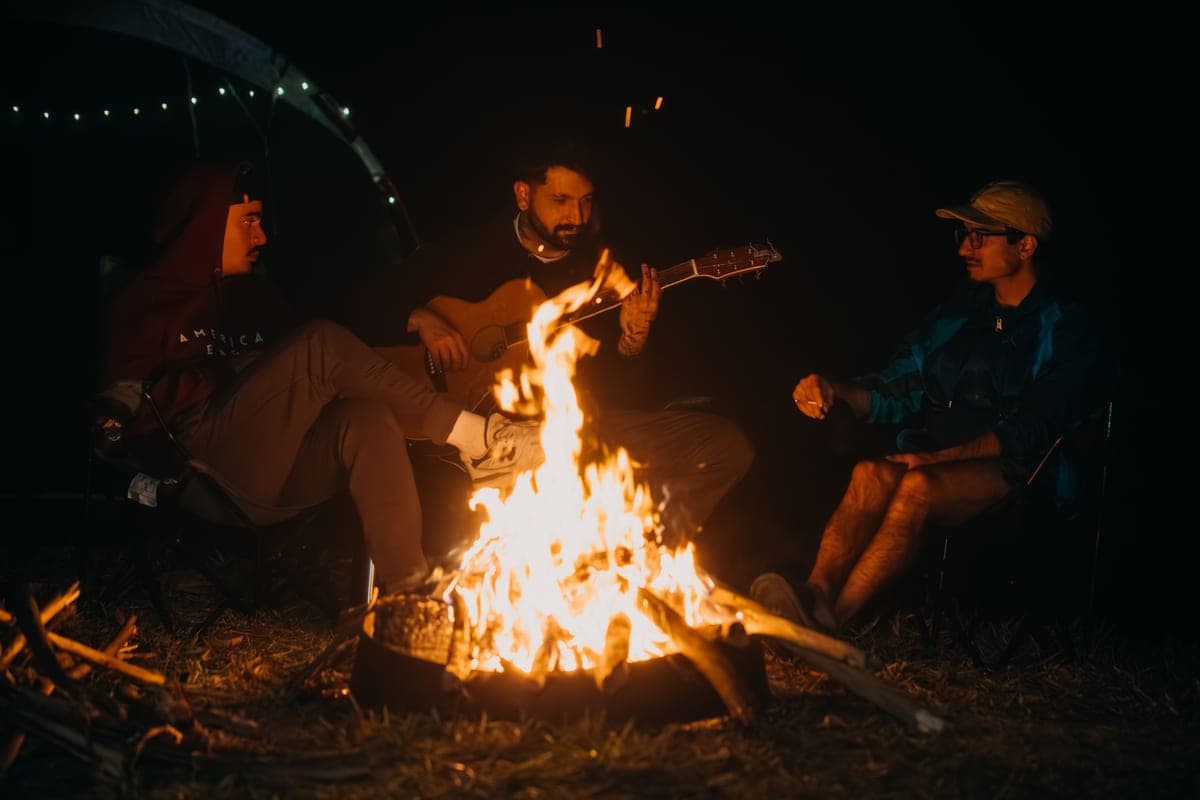
Are Smokeless Fire Pits Worth It?
The double wall works and never eliminates smoke. Here is the price gap, and who it is genuinely worth it for.
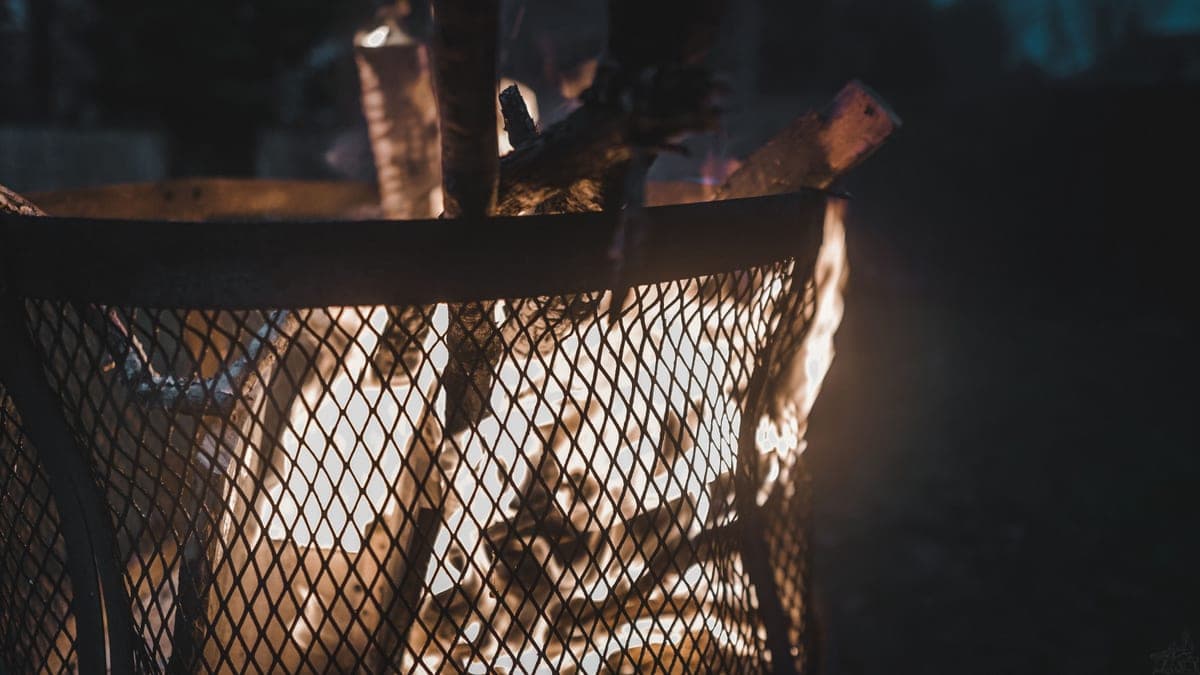
TIKI Brand Patio Fire Pit, 25 in
25 in of 16-gauge stainless with cover, stand and ash pan included — and a powder coat over the burn zone.

TIKI vs Solo Stove
25 in coated against 19.5 in bare 304 — more fire and more in the box, against a finish that cannot fail.
Are Smokeless Fire Pits Safe on a Deck?
Secondary combustion acts on smoke, not embers or downward heat — so it changes nothing a deck actually cares about.
Solo Stove Yukon 2.0
27 in of 304 stainless at 38 lb — the size where full splits go in whole, and what that costs.
BioLite FirePit+
A fan-driven, wood-or-charcoal pit that packs flat and grills — with the trade-offs a battery brings.
Solo Stove Bonfire vs Yukon
19.5 in vs 27 in: 1.92x the fire area, roughly twice the firewood, and the split-cutting question.

Solo Stove vs Breeo
Stainless against corten, on alloy, weight, dimensions and what each warranty actually excludes.

Smokeless vs Regular Fire Pit
What a double-wall chamber buys over a plain fire ring, and the situations where it does not pay for itself.
Do Smokeless Fire Pits Actually Work?
Secondary combustion, the three conditions it needs, and the reason we will not quote a smoke-reduction percentage.
Do Smokeless Fire Pits Give Off Heat?
Where the heat goes in a double-wall pit, why nobody publishes a number, and which specs predict warmth.
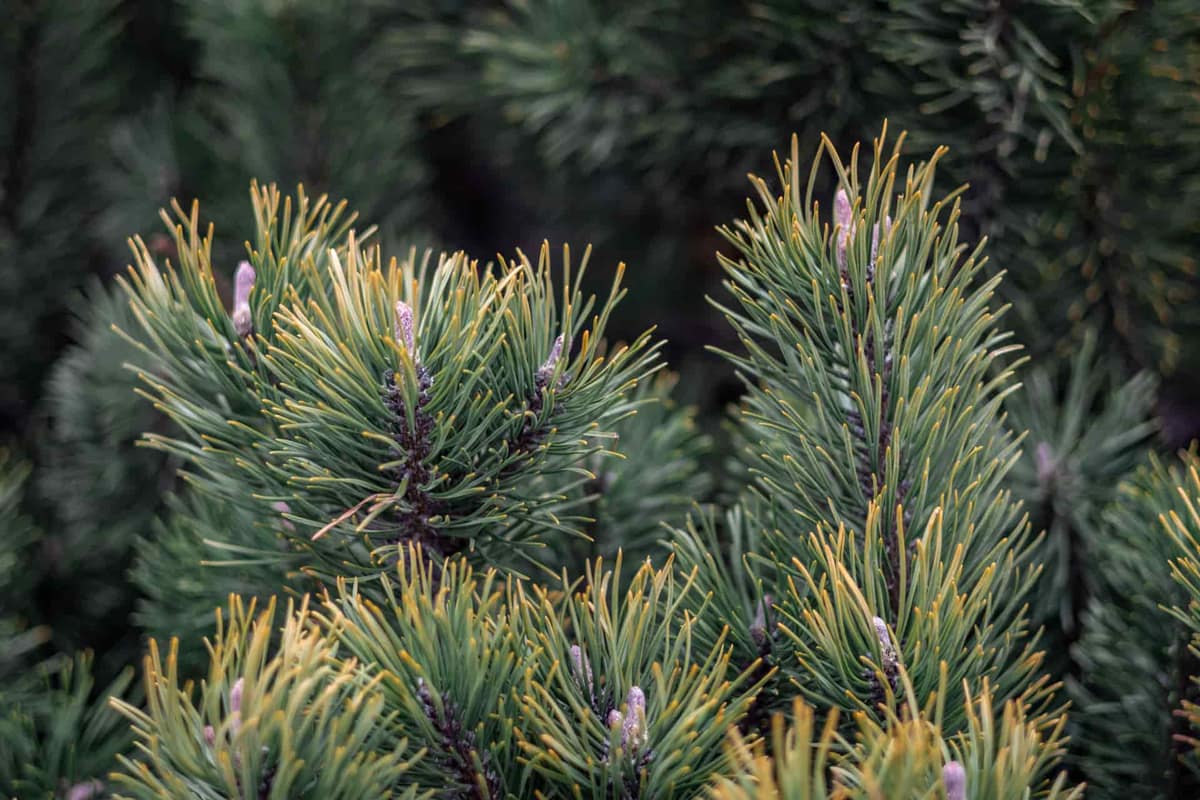
Do Smokeless Fire Pits Smell?
Smell, lingering odor on clothing, and an honest look at the mosquito-repelling claim.
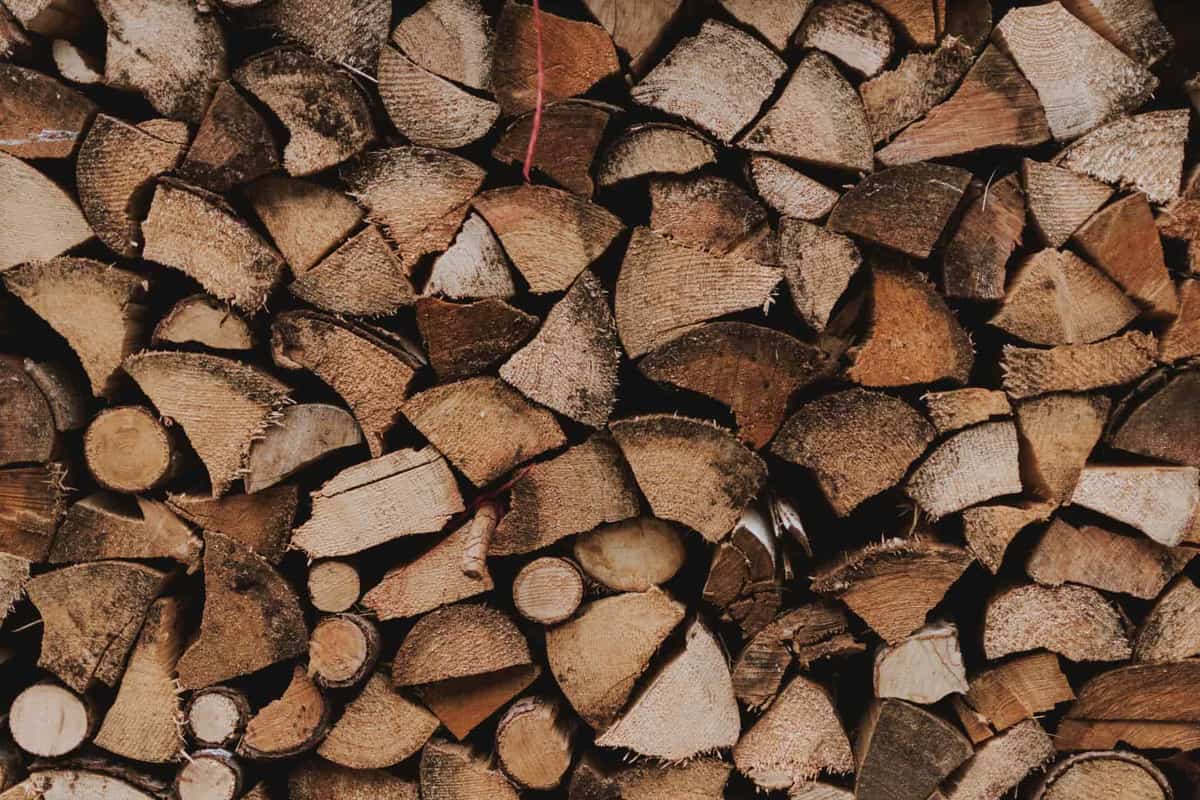
The Best Wood for a Smokeless Fire Pit
Species, moisture and — the part nobody mentions — why standard 16 in splits do not fit most smokeless pits.
Solo Stove Bonfire 2.0
The full spec sheet with sources, the listing weight discrepancy, and what 'lifetime warranty' excludes.

Breeo X Series 24
Corten construction, 62 lb, made in Pennsylvania, and a warranty that excludes the finish by design.
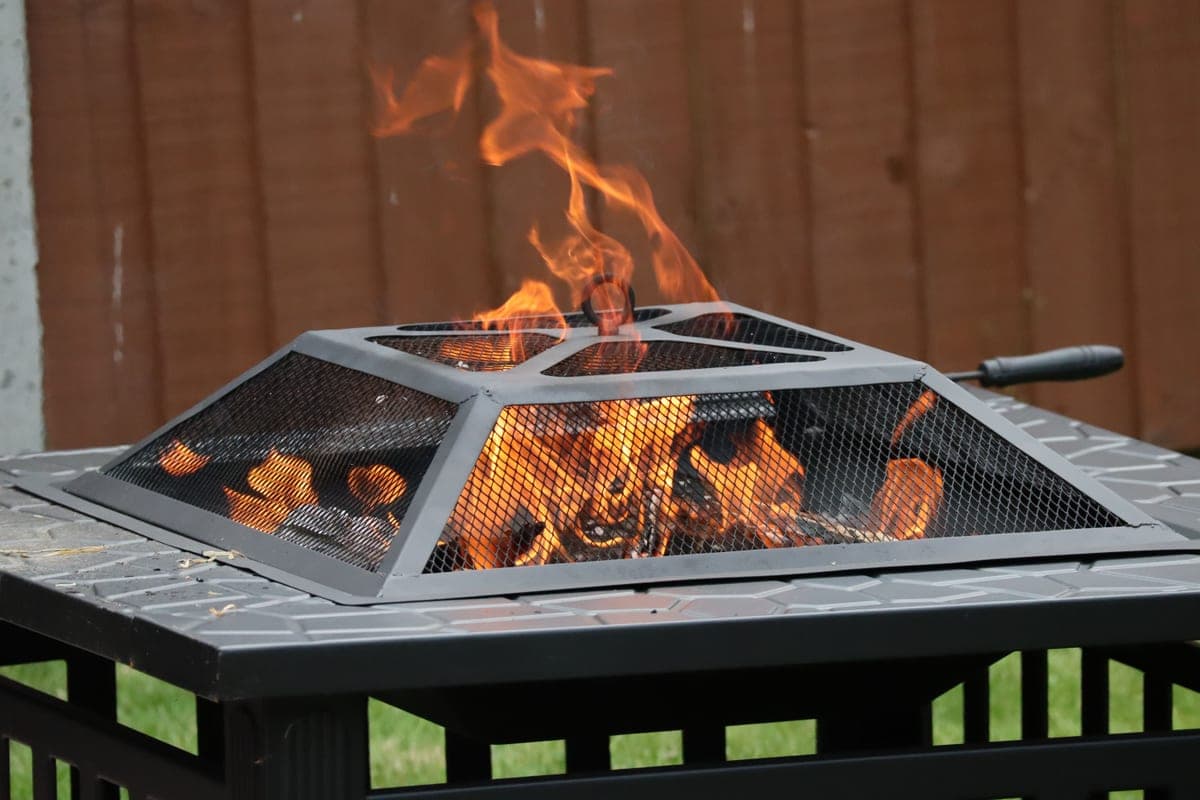
Which Smokeless Fire Pit Accessories Are Actually Worth It?
Three are worth it: a lid, a stand and a cover. A class-by-class verdict, with picks for lids and snuffers.
Prices come from Amazon and change without notice. Where no live price is showing, the buttons read “check price” rather than a number we cannot stand behind. How this site is funded.