How to Put Out a Fire Pit
Two methods, one of which most people do wrong. The step everybody skips is stirring, and it is the step that finds the embers still burning underneath.
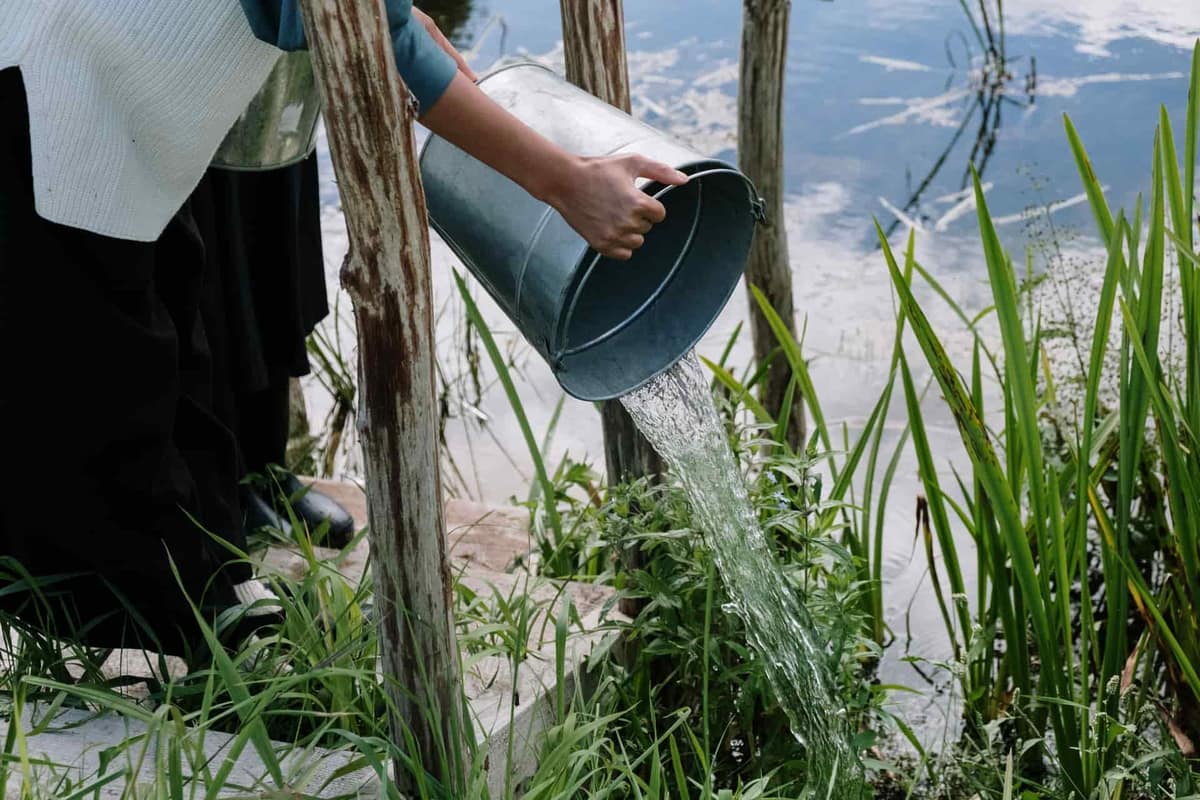
Let the fire burn down, then drown it with water, stir the ash and embers thoroughly, and drown it again. Repeat until it is cold to the back of your hand held just above the ash. Stirring is the step that matters — embers survive under an ash layer that looks completely wet.
Drown, stir, drown
- 1Stop adding wood about 45 minutes before you want to leave. A fire that has consumed its fuel is far easier to put out than one you are smothering mid-burn.
- 2Drown it. Pour water over the whole bed slowly and evenly. Slowly matters: a bucket thrown at hot ash produces a cloud of steam and scattered ash, and steam burns.
- 3Stir. With a shovel or a metal poker, turn the whole bed over so the water reaches material underneath. This is the step people skip and it is the one that finds the embers.
- 4Drown it again, over the newly exposed material.
- 5Repeat until there is no hiss and no steam. If it hisses, it is still hot.
- 6Test it. Hold the back of your hand a few inches above the ash. If you feel heat, it is not out. Do not touch the ash.
The dry method, for when water is not an option
Sometimes water is not available, or the pit is a material that will not take it. The dry method works and it takes longer, and the mechanism is different: instead of cooling the fuel, you are cutting it off from oxygen and spreading the heat out so it dissipates.
- 1Spread the embers out across the base of the pit with a poker. A pile retains heat; a thin layer sheds it.
- 2Cover with dry sand or dirt. Not gravel, which leaves air gaps. A generous layer, fully covering everything.
- 3Stir the sand through the embers, then cover again. You are trying to get sand between every ember and the air.
- 4Wait, and keep checking. This method takes considerably longer to reach genuinely cold, and it does not remove the heat, it isolates it.
- 5Do not walk away early. A buried ember bed can smolder for a very long time and can reignite if the covering is disturbed by wind or an animal.
One thing the dry method does not do is make the pit safe to touch. The steel and the sand will both be hot. It also leaves you with a pit full of sand and ash to empty later, which is a good reason to prefer water when you can.
Why this matters more than it seems
Two failure modes, both common. The first is reignition: a bed of ash insulates the embers underneath it, and a fire that has been left to 'go out on its own' can flare back up hours later when wind reaches it. The second is contact burns, particularly with children and dogs, because a pit with no flame does not look dangerous and the supervision drops. Fire pits with kids and pets.
There is also a durability argument. Wet ash left sitting in a pit is what corrodes it from the inside — ash is hygroscopic and alkaline, and it holds moisture against the metal indefinitely. Putting the fire out properly and emptying the pit is the same action as maintaining it. Ash, rust and what kills a fire pit.
Disposing of the ash
- 1Wait until it is genuinely cold, which usually means the next day.
- 2Use a metal container with a metal lid. Not a plastic bin, not a paper bag, not a cardboard box. This is how fire pit ash starts house fires.
- 3Put the container outside, away from the building and off anything combustible, for at least 24 hours.
- 4Then dispose of it, or spread it thinly on a garden bed if it is clean wood ash only — it is alkaline, so a little is a soil amendment and a lot is a problem.
- 5Never spread ash from treated or painted wood anywhere. The do-not-burn list.
The gas pit version
Turn the burner off at the control, then close the valve on the cylinder itself. That second step is the one people skip, and it is the difference between the appliance being off and the appliance merely being idle with gas still in the line. There is no ash, no cooling period and nothing to stir — which is a genuine advantage of gas and one of the more persuasive arguments for it in a household with children. Propane fire pits.
Why there are no product picks here
Nothing in our product registry belongs on a page about extinguishing a fire. A bucket and a shovel are the equipment, and you have both. Every other buying page on this site carries picks; putting one here would be padding, and we would rather leave the page bare and say so.