Fire Pit Rules by State
There is no state fire pit law, and any page that gives you fifty answers in a table is inventing them. Here is the structure that actually determines your answer.
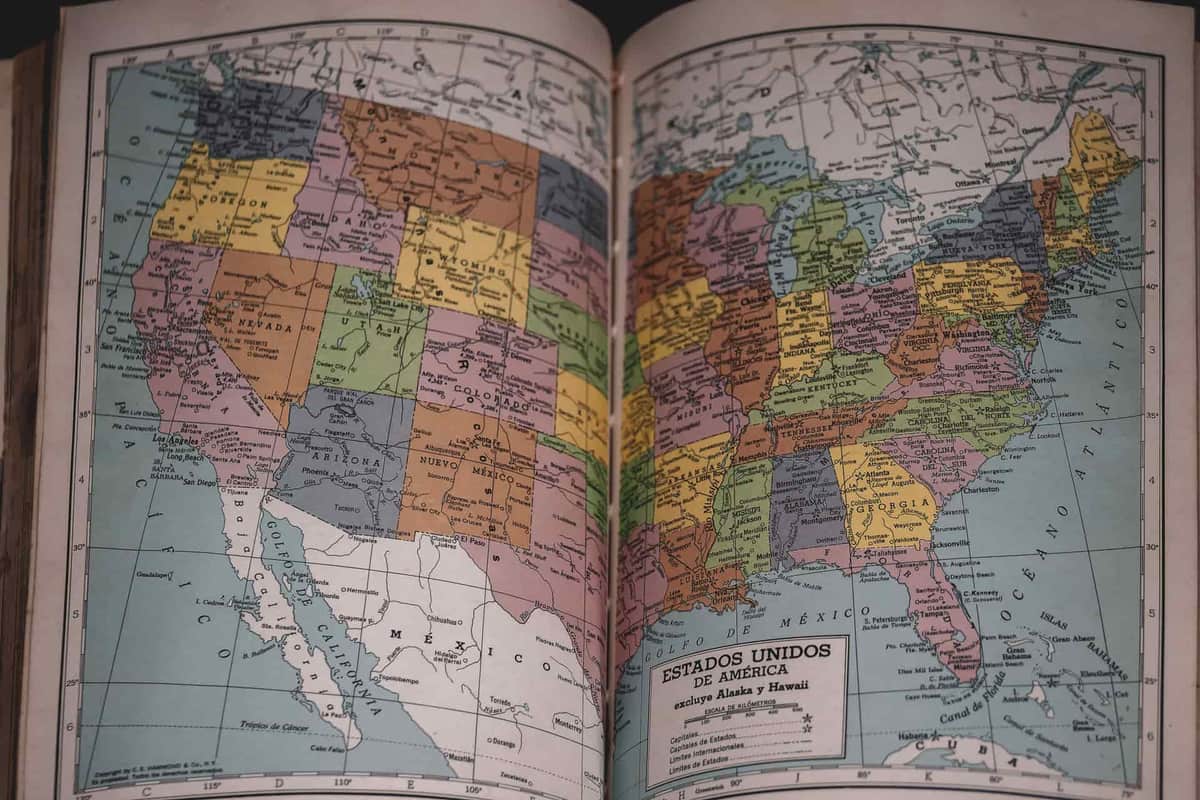
No US state has a single fire pit law. Rules come from a locally adopted fire code, temporary burn restrictions issued by a state or county agency, air-quality rules in some regions, and private covenants. The determining layer is almost always local, not state.
Why this page is not a table of fifty states
You will find pages that give you a state-by-state table of fire pit laws. We are not going to publish one, and the reason is not caution — it is that such a table cannot be correct.
The rule that decides whether you can have a fire pit is set at the city or county level, by an authority that adopts and amends a model fire code. There are thousands of those jurisdictions, they amend differently, and they change. A state-level summary either describes something that is not the operative rule, or it silently generalizes from one city to an entire state. Both produce a confident answer that is wrong for most readers, and a wrong answer here has consequences worse than no answer.
What we can do is describe the structure precisely, so you know exactly what to look for and who has it. That is genuinely more useful than a table, and it stays correct.
The four layers, and who issues each
| Layer | Issued by | Changes | Governs |
|---|---|---|---|
| Fire code | City or county, adopting a model code with amendments | Rarely — on adoption of a new edition | Fire categories, clearance, permits |
| Burn restrictions | State forestry or natural resources agency, county, or fire district | Seasonally, sometimes daily | Whether you can burn at all right now |
| Air quality | State environmental agency or a regional air district | By declared episode | Solid-fuel burning on poor-air days |
| Private covenant | HOA or landlord | By board action | Fuel, size, placement, approval |
State law generally shows up in layer two — burn restrictions — and occasionally in layer three. It rarely touches whether a backyard fire pit is permitted at all.
What genuinely does vary by state
Some things really are state-level, and they are worth knowing because they explain why the experience differs so much between regions.
- Which fire code edition the state has adopted as its baseline, and whether adoption is statewide or left to municipalities. This sets the starting text local amendments modify.
- Who has authority to declare burn restrictions, and how granular they are — statewide proclamations in some states, county-by-county in others.
- How frequently restrictions occur. This is the big practical difference: parts of the west and southwest have restrictions most summers, while much of the northeast and midwest rarely do.
- Whether air-quality districts regulate residential solid-fuel burning, which is most developed in California and parts of the northwest.
- Firewood movement restrictions, imposed by state agriculture departments to limit invasive insects. These are real and enforced.
Finding your answer in one call
- 1Call your local fire department's non-emergency line and ask for the fire marshal or fire prevention bureau. This is layer one and they answer it daily. The exact questions to ask.
- 2Find your state forestry or natural resources agency's burn restriction page and bookmark it. This is layer two, and it is the one you will check every season.
- 3Check whether a regional air district covers you, which matters most in California and the Pacific northwest.
- 4Read your HOA covenant or lease if either applies. How to read one.
- 5Search your municipal code online for 'recreational fire' or 'open burning' if you want the text rather than a phone answer. Most are published and searchable.
What we will add here, and when
This index exists so the structure is in place. Individual state pages will be added as we can research each one properly — meaning the actual state statutes and agency pages read and cited, not summarized from search results. We would rather ship five states we have genuinely read than fifty we have not.
If you want to know how we decide what to publish and what to leave out, the method page sets out the rule this page is an application of: nothing goes on this site that we cannot source, and 'we do not know yet' is a publishable answer.
Where to go next
- Are fire pits legal in a backyard? — the questions to ask and who to ask
- What counts as a recreational fire — the definition every permit question turns on
- Burn bans and what they exempt — the layer that changes most often
- HOA fire pit rules — the private layer that overrides the rest
- Clearance distances — the numbers your local rule starts from